Reconciles the difference between shareholder capital reported in the financial statements and regulatory returns.
Phoenix SFCR link
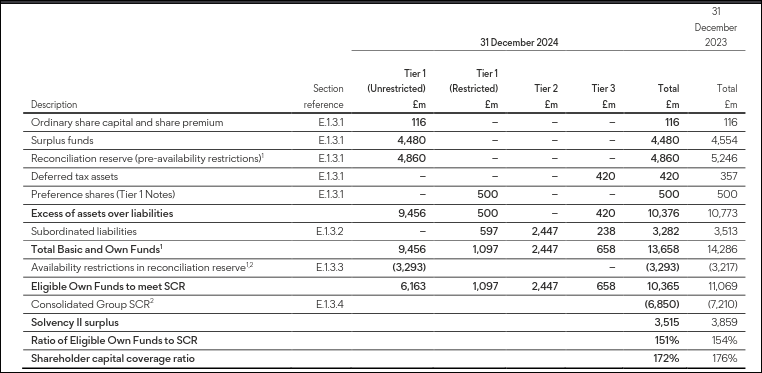
Aviva SFCR link
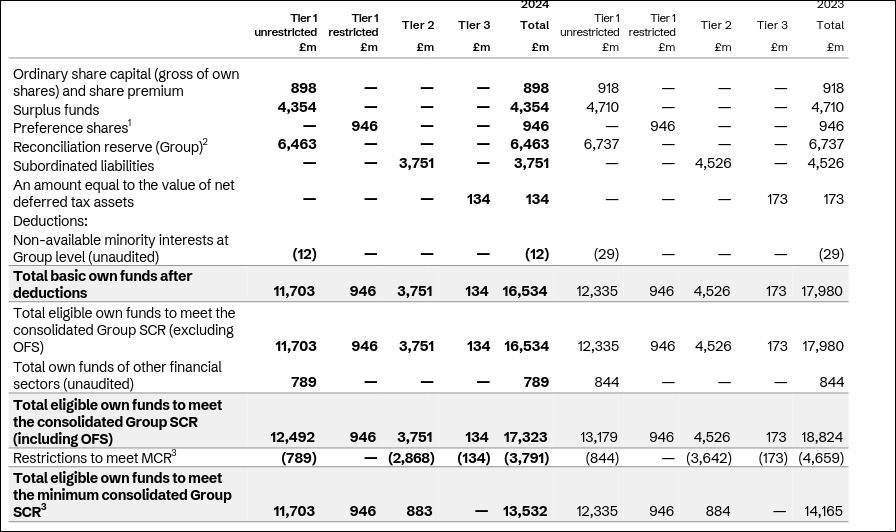
aviva-sfcr-24.pdf
what is reconciliation reserve in life insurance accounts
In life insurance accounts, a reconciliation reserve is a financial buffer set aside by insurance companies to ensure that they can meet future policyholder obligations. This reserve accounts for discrepancies that may arise between expected and actual claims, policy lapses, and other financial variables. It helps maintain the insurer’s financial stability and ensures that they can cover unexpected liabilities. The reconciliation reserve is part of the broader reserve management strategy, which includes various types of reserves like claim reserves, premium reserves, and contingency reserves, all aimed at safeguarding the insurer’s ability to fulfill its commitments to policyholders.
You’re correct; the term “reconciliation reserve” can also refer to the process of aligning financial reporting under different regulatory frameworks, such as IFRS (International Financial Reporting Standards) and Solvency II.
In this context, the reconciliation reserve is the difference between the net asset value reported under IFRS and the Solvency II balance sheet. Solvency II is a regulatory framework that focuses on the capital adequacy of insurance companies in the European Union, emphasizing risk management. The reconciliation reserve helps stakeholders understand how the financial position of an insurer differs under these two reporting standards, providing insights into the company’s solvency and financial health.
can one find such a reconciliation reserve in SFCR
Yes, the reconciliation reserve can be found in the Solvency and Financial Condition Report (SFCR). The SFCR is a public document that insurance companies in the European Union are required to publish annually under Solvency II regulations. It provides detailed information about the insurer’s financial condition, risk profile, governance, and capital management.
Within the SFCR, the reconciliation reserve is typically included in the section that reconciles the differences between the financial statements prepared under IFRS and the Solvency II balance sheet. This section helps stakeholders understand the adjustments made to align the two reporting frameworks, offering transparency into the insurer’s financial and solvency position.